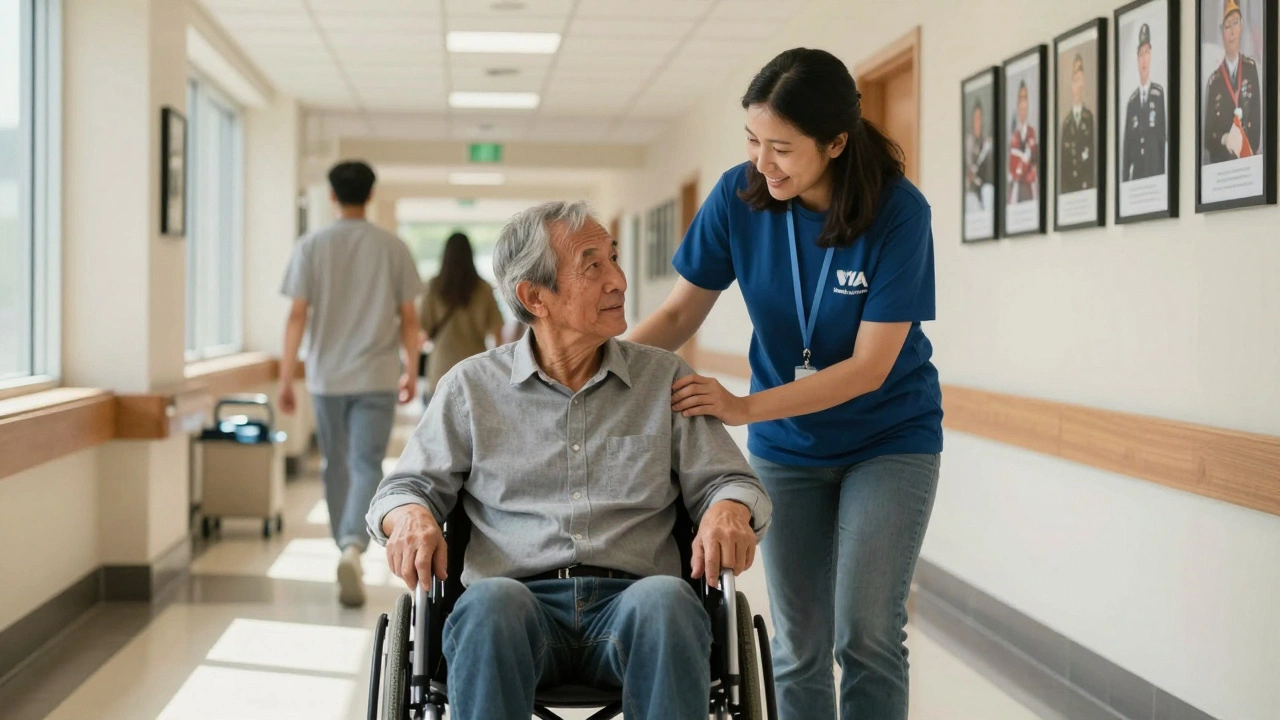
VA Patient Escort: What You Need to Know About Veteran Companion Services
When we talk about VA patient escort, a support service that helps veterans travel to and from VA medical appointments with trained, compassionate companions. Also known as veteran escort services, it’s not about luxury or companionship in the adult sense—it’s about ensuring those who served get the care they need, safely and on time. These services are often arranged through the VA itself or approved third-party providers, and they’re designed for veterans with mobility issues, PTSD, or those who live far from medical centers.
Behind every VA patient escort, a trained individual who provides transportation and emotional support during medical visits. Also known as companion care for veterans, it’s a critical link in the VA’s healthcare network is a person who’s been vetted, trained in veteran-specific needs, and often has experience in healthcare or social work. They don’t just drive—they listen. They help veterans navigate confusing hospital systems, remind them of appointment details, and sometimes just sit quietly to ease anxiety. This isn’t a luxury; it’s a lifeline for many. The veteran escort services, structured programs that connect veterans with reliable, non-medical support for transportation and appointment adherence. Also known as veteran transportation services, these are often funded or subsidized by the VA are especially vital in rural areas where public transit is scarce and VA facilities are hours away. Veterans who use these services report less missed appointments, lower stress, and improved health outcomes.
But not all services are created equal. Some private companies try to cash in on the term, offering vague "companion" packages that blur the line between support and exploitation. True VA patient escort services follow strict VA guidelines: no romantic or sexual overtones, no hidden fees, no pressure to sign long-term contracts. They’re documented, accountable, and focused on one thing—getting veterans to their appointments with dignity.
What you’ll find in the posts below isn’t a list of ads or escort agencies. It’s real insight into how support systems work—what’s legal, what’s risky, and what veterans actually need. You’ll see how technology is changing how these services are scheduled, how agencies screen their staff, and why some veterans still struggle to get help despite the VA’s promises. These stories aren’t about glamour. They’re about people who showed up when no one else did.
-
8 Dec
- Recent
- Popular